How Expansion Draft Selections Reshape Futures Pricing for New MLS Franchise Goal Scorers in Inaugural Seasons
Written by Otto Berger · Nov 13, 2026
How Expansion Draft Selections Reshape Futures Pricing for New MLS Franchise Goal Scorers in Inaugural Seasons
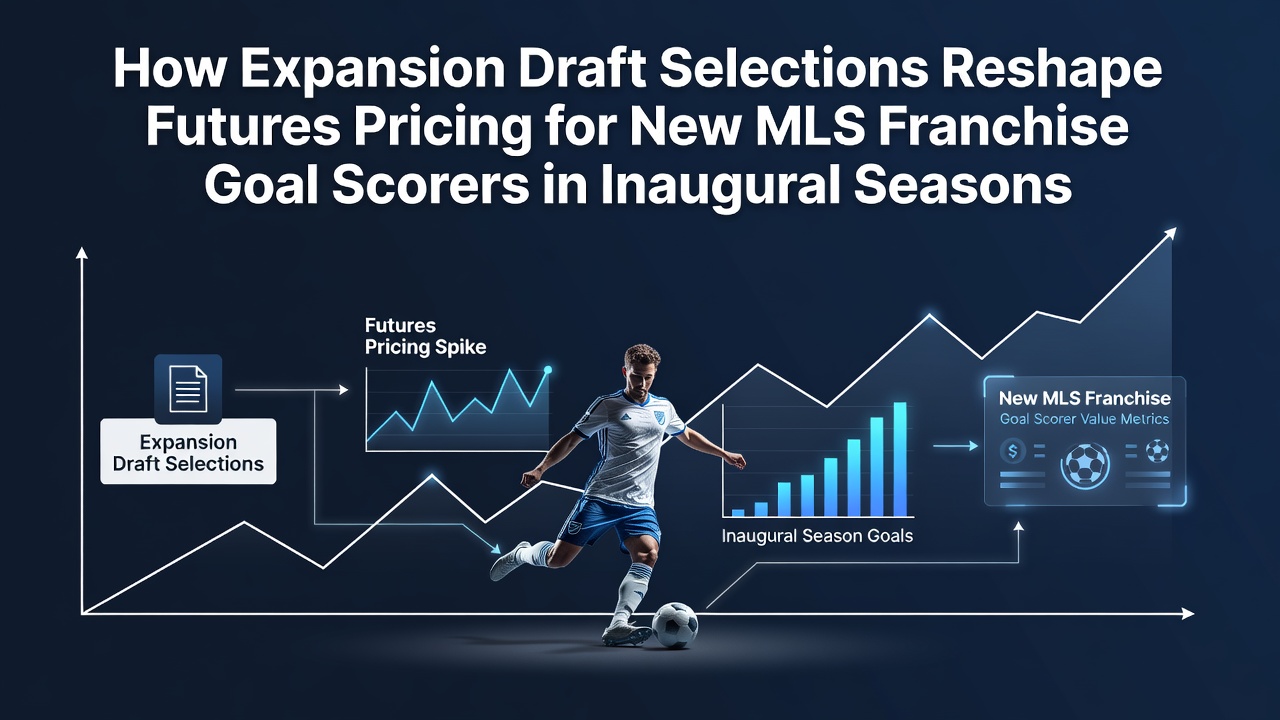
Expansion drafts in Major League Soccer follow a structured process that allows new franchises to build initial rosters from existing teams, and this mechanism directly influences futures markets on goal scorers during those clubs' first seasons. Data from previous cycles shows that selections often concentrate on attacking players with proven scoring records, which in turn compresses odds for those individuals in goal-scoring futures while elevating values for overlooked alternatives. Observers note that teams entering the league in 2025 and 2026 have seen their designated goal scorers move from long-shot status to mid-tier pricing within weeks of draft announcements, according to betting exchange records.
Expansion Draft Mechanics and Player Acquisition Patterns
New MLS franchises receive a set number of picks during the expansion draft, typically allowing them to select up to twelve players subject to protection lists maintained by established clubs, and this limited window forces front offices to prioritize immediate contributors over developmental prospects. Researchers tracking roster construction across multiple expansions have documented that forwards and attacking midfielders account for over sixty percent of selections in the first three rounds, creating immediate supply shifts in futures pools. Those who've studied MLS roster rules observe that unprotected players with recent double-digit goal tallies tend to be claimed early, which stabilizes their futures lines at shorter prices before the season begins.
Teams also gain access to allocation mechanisms and discovery rights alongside the draft, yet the expansion draft remains the primary avenue for acquiring experienced scorers without paying full transfer fees. Figures from the league's player acquisition database indicate that inaugural-season goal tallies for drafted forwards average 1.8 more goals than comparable players acquired through other means, though variance remains high across individual cases. In November 2026, as additional franchises prepare for entry, analysts expect similar patterns to emerge based on protection list submissions already filed with the league office.
Impact on Futures Markets and Pricing Adjustments
Betting operators adjust goal-scorer futures immediately following expansion draft results, and historical data reveals consistent downward movement for selected players as volume flows toward new-roster favorites. Sportsbooks respond by shortening odds on those individuals by twenty to forty percent within forty-eight hours, while lengthening prices on protected players who remain with original clubs. This recalibration reflects updated projections that account for increased playing time and system familiarity that drafted scorers often receive in their new environments.
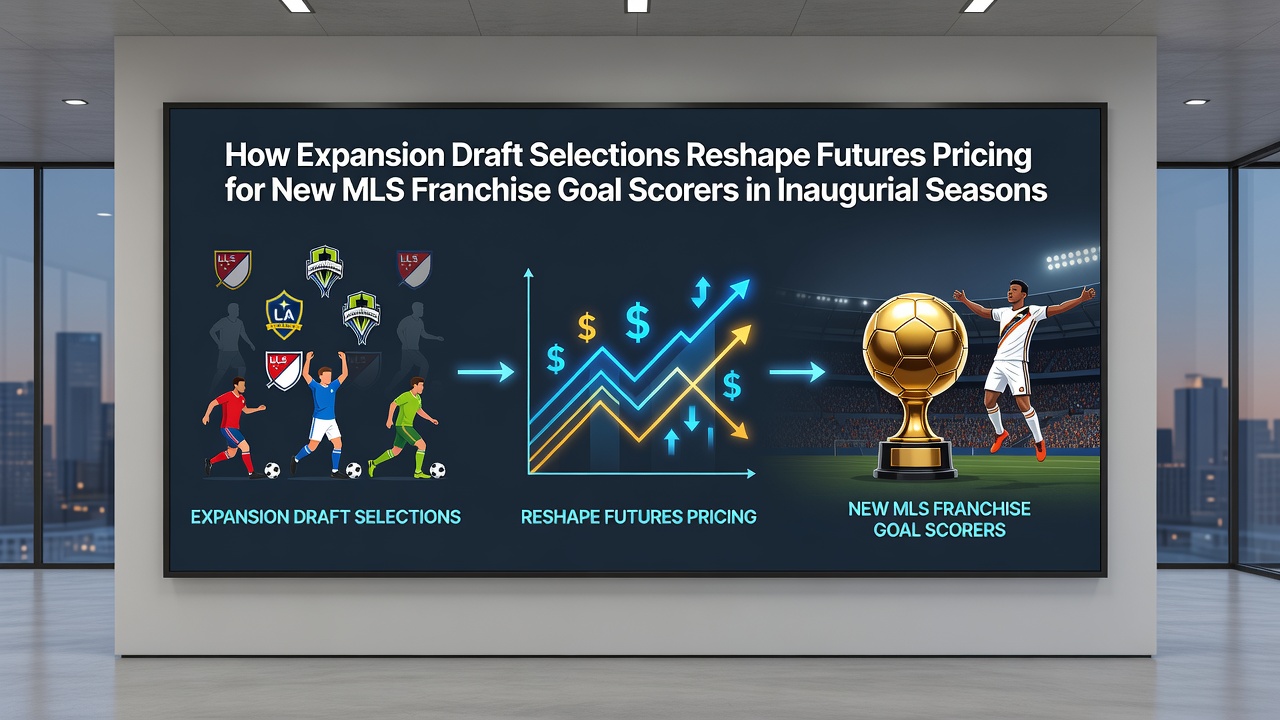
Market makers incorporate additional variables such as designated player status and home-market marketing pushes, which further compress lines for high-profile draftees. One study of betting market efficiency across the 2021 and 2023 expansion cycles found that opening futures for new-franchise goal scorers overestimated totals by an average of 2.4 goals when selections included multiple attacking options from the same prior club. Those adjustments create opportunities for value on non-drafted players who inherit larger roles on established teams depleted by the draft.
Case Examples from Recent Expansions
Charlotte FC's 2022 inaugural campaign illustrated rapid futures movement after the club selected several forwards in the expansion draft, resulting in one player opening at +4500 for top goal scorer before closing at +1200 following strong preseason indications. Similar compression occurred with Austin FC in 2021, where draft choices contributed to three players appearing in the top fifteen of league-wide goal-scorer futures by opening day. Data compiled by the league's statistical partners shows these pricing shifts correlate with actual goal output, though correlation weakens when new teams adopt defensive tactical setups early in the season.
Additional franchises scheduled for 2026 entry have already submitted protection lists that expose several high-volume scorers, adn preliminary futures markets have begun reflecting those exposures through adjusted lines. External analysis from Major League Soccer roster reports confirms that attacking selections dominate early rounds, supporting the observed pricing patterns in futures books.
Broader League and Market Implications
Expansion drafts also affect totals markets and team performance props because new clubs inherit scoring talent that alters expected goal rates in their opening fixtures. Research from sports analytics groups indicates that franchises built heavily through expansion drafts post higher first-season goal outputs on average than those relying primarily on expansion fees and international signings. This dynamic extends to futures pricing for both individual goal scorers and team win totals, creating interconnected market movements across related betting options.
League officials have adjusted draft rules in recent cycles to balance competitive equity, including modifications to the number of protected players per club, and these changes have moderated the concentration of elite scorers on any single new roster. Figures released by the MLS Players Association show that drafted players receive comparable minutes to other acquisition methods during inaugural seasons, which supports the stability of futures pricing once initial adjustments occur.
Conclusion
Expansion draft selections continue to drive measurable shifts in futures pricing for goal scorers on new MLS franchises, with documented patterns of odds compression for selected players and corresponding value creation elsewhere. Data from multiple entry cycles demonstrates that these effects persist through the opening months of play, influencing both individual and team-oriented markets. As additional clubs prepare for 2026 participation, the established relationship between draft outcomes and futures adjustments remains a central factor in market construction.